Slot machines have transformed from simple mechanical devices into sophisticated digital entertainment platforms. The symbols spinning across the reels now feature intricate animations that captivate players and enhance the gaming experience. Understanding the animation techniques behind these engaging symbols reveals the artistry and technical expertise that goes into modern slot game development.
The visual appeal of animated slot symbols plays a crucial role in player engagement and retention. Developers employ various animation methods to create memorable, eye-catching symbols that stand out in a competitive market.
The Evolution of Slot Symbol Animation
Early digital slot machines featured static images that simply appeared and disappeared on the reels. These basic graphics served their functional purpose but lacked the visual excitement that modern players expect. The transition to animated symbols began in the late 1990s when processing power allowed for more complex visual effects.
Today’s slot symbols incorporate multiple animation layers, dynamic lighting effects, and sophisticated motion design. The evolution reflects broader trends in digital entertainment and gaming technology. Modern players have grown accustomed to high-quality animations in video games and mobile apps, raising expectations for slot machine graphics.
The shift from 2D to 3D animation marked a significant milestone in slot design. This technological leap enabled developers to create symbols with realistic depth and movement that were previously impossible to achieve.
Frame-by-Frame Animation for Classic Appeal
Frame-by-frame animation remains a popular technique for creating slot symbols with distinctive characters. This method involves drawing each frame of movement individually, similar to traditional cartoon animation. Artists create a sequence of images that play rapidly to produce fluid motion.
Key advantages of frame-by-frame animation include:
- Complete artistic control over every detail of the symbol’s appearance
- Ability to create exaggerated, stylized movements that enhance visual impact
- Perfect synchronization between different elements within a single symbol
- Flexibility to adjust timing and emphasis on specific frames
Many successful slot games use frame-by-frame animation for character symbols and special bonus icons. The technique allows animators to infuse personality into symbols through expressive movements and reactions. Despite being time-intensive, this method produces unique visual styles that help games stand out.
Classic fruit symbols often receive modern updates through frame-by-frame animation. Cherries might bounce with personality, while lucky sevens can shimmer with appealing energy.
3D Rendering and Modern Visual Depth
Three-dimensional rendering has revolutionized how slot symbols appear on screen. 3D models allow symbols to rotate, scale, and interact with lighting in realistic ways. This technique creates a sense of depth that makes symbols feel more tangible and immersive.
Developers build 3D symbols using specialized software that models geometry, applies textures, and simulates lighting. The rendering process calculates how light interacts with surfaces to produce realistic shadows and reflections. Advanced shading techniques add subtle details like metallic gleams or gem-like sparkles.
3D animation enables complex camera movements around symbols during win celebrations. A golden coin might spin and flip through space, catching light from multiple angles. These dynamic presentations create moments of visual excitement that reinforce positive player experiences.
The polygon count and texture resolution of 3D symbols must be optimized for smooth performance. Developers balance visual quality with processing efficiency to ensure animations run smoothly across different devices.
Motion Graphics and Particle Effects
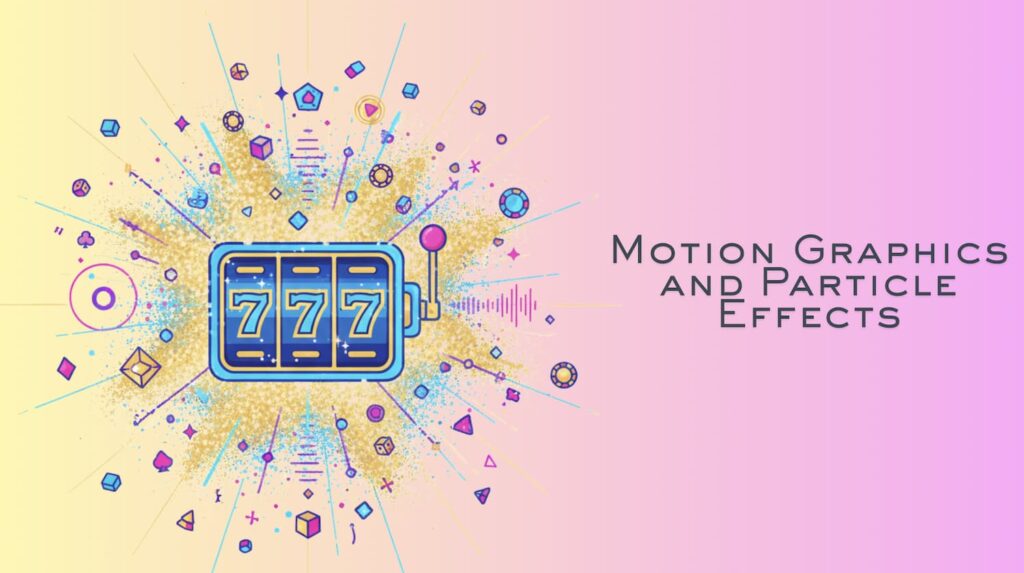
Motion graphics bring kinetic energy to slot symbols through abstract shapes, lines, and patterns. This technique excels at creating explosive win celebrations and magical transformation sequences. Designers use motion graphics software to choreograph complex movements that would be difficult to achieve through traditional animation.
Particle systems generate hundreds or thousands of small elements that collectively create impressive effects. Sparks, stars, coins, and glowing trails enhance symbol animations with visual richness. These particles follow physics simulations that govern their movement, collision, and lifespan.
Essential particle effects in slot animations include:
- Explosion bursts during big wins that radiate outward from winning symbols
- Trailing glows that follow symbols as they cascade or move across the screen
- Ambient particles like floating dust motes or sparkles that add atmosphere
- Transformation effects where symbols dissolve or materialize through particle clouds
The combination of motion graphics and particle systems creates layered visual experiences. A wild symbol might feature a glowing core with radiating energy waves and floating light particles. These multi-layered effects build visual interest without overwhelming the core gameplay.
Timing and Anticipation in Symbol Animation
Professional animators understand that timing determines whether an animation feels engaging or flat. The principles of anticipation, timing, and follow-through apply directly to slot symbol animation. Symbols that move with proper weight and momentum feel more satisfying to watch.
Anticipation involves a small movement in the opposite direction before the main action. A jumping symbol might crouch slightly before launching upward, making the movement feel more dynamic. This technique signals to players that something exciting is about to happen.
The duration of animations affects both visual appeal and gameplay pace. Winning symbol celebrations must be exciting enough to feel rewarding but quick enough to maintain game flow. Developers carefully test animation lengths to find the optimal balance.
Easing functions control how animations accelerate and decelerate. Symbols rarely move at constant speeds; instead, they ease into and out of movements for more natural motion. These subtle timing adjustments significantly impact how polished animations appear.
Sound Synchronization with Visual Elements
Animation and sound design work together to create cohesive sensory experiences. Every visual beat in a symbol animation should align with corresponding audio cues. The synchronization between sight and sound amplifies the emotional impact of winning moments.
Critical synchronization points include:
- Symbol landing sounds that match exactly when symbols settle into position
- Crescendos in music that peak simultaneously with visual climaxes
- Rhythmic pulses in ambient sound that sync with subtle symbol animations
- Victory fanfares timed to explosive particle effects and symbol transformations
Sound designers receive animation timelines showing exact frames where audio events should occur. This collaboration ensures tight integration between departments. When a symbol explodes in a burst of light, the audio explosion occurs at precisely the same moment.
The psychological impact of synchronized audiovisual feedback cannot be overstated. Players perceive well-synchronized animations as more satisfying and higher quality, even if they can’t consciously identify why.
Conclusion
The animation techniques behind engaging slot machine symbols represent a sophisticated blend of artistry and technology. From frame-by-frame craftsmanship to complex 3D rendering and particle effects, each method contributes unique strengths to the final product. Modern slot games succeed by combining these techniques strategically to create visually stunning, emotionally engaging experiences.
As technology continues advancing, animation capabilities will expand even further. The fundamental principles of timing, appeal, and synchronization will remain essential regardless of technical innovations. Understanding these animation techniques reveals the impressive craftsmanship behind every spin of the reels.